
EU Ecolabel
Ard Nahoo Eco Retreat
Leitrim
GlampingRetreat
€€ Eco glamping in Ireland has a problem. The word “eco” appears on bell tent websites, glamping park brochures, and Booking.com listings with no explanation of what it means or who checked. Some of those stays are genuinely certified. Most are not.
EcoStay Ireland lists only eco glamping properties that hold a current certification from a named, independent body: Ecotourism Ireland Gold, Green Key, or the Green Hospitality Programme. If a glamping site cannot show a certificate, it is not on this platform. That is not a strict policy. It is the only policy that makes the word “eco” mean something.
A certified eco glamping site has been assessed against documented criteria by an independent body. The assessment is not a form the property fills in themselves. It involves site visits, documentation of energy systems, water usage, waste management, biodiversity practices, and guest education.
Ecotourism Ireland Gold is the certification most commonly held by glamping and eco lodge properties in Ireland. It is assessed by Ecotourism Ireland and requires properties to demonstrate low-impact practices, connection to local biodiversity, community integration, and a genuine commitment to educating guests about the natural environment.
Green Key is an international standard administered in Ireland by An Taisce. It is more commonly held by hotels and hostels but applies to glamping sites and holiday parks. Green Key assesses over 100 criteria across energy, water, waste, landscape, and environmental education.
Neither of these is the same as a solar panel on the roof and a recycling bin by the door. Certification requires documented evidence and independent verification. It is earned, not claimed.
Certified eco glamping in Ireland spans several structures and settings.
Off-grid cabins are among the most genuinely sustainable options. Properly off-grid means solar or micro-hydro power, rainwater harvesting or a private well, and composting or reed-bed waste treatment. Off-grid properties in Ireland are most common in Donegal, Connemara, and the wilder parts of Kerry and Clare.
Yurts are large circular canvas structures with timber frames. In certified eco glamping contexts, they are built on low-impact platforms, heated with wood-burning stoves using sustainably sourced fuel, and set in landscapes managed for biodiversity. Wicklow and Clare have certified yurt options within easy reach of Dublin and the west coast respectively.
Shepherd’s huts are smaller, often fitted with wood stoves and raised on wheels or fixed platforms. The best certified examples sit on organic farms or rewilded land, with access to kitchen gardens, composting facilities, and the working landscape around them.
Eco lodges vary widely. The certified ones are typically timber-frame or natural build structures with renewable energy systems, low water usage fixtures, and organic or locally sourced food. Some are off-grid. Some are connected to the grid but powered by renewable suppliers and designed to minimise consumption.
Certified eco glamping is not evenly distributed across Ireland. It is concentrated in counties with strong eco tourism infrastructure and high concentrations of certified properties.
County Clare has the highest density of certified eco stays in Ireland, largely because of the Burren Ecotourism Network, a collaboration of certified tourism businesses working within the Burren landscape. Clare’s certified glamping includes options within the Burren itself and on the Wild Atlantic Way coast. Browse certified stays in Clare.
County Wicklow suits Dublin-based travellers looking for a certified eco break within two hours of the city. The Wicklow Mountains provide the landscape context for several certified glamping and eco lodge properties. Browse certified stays in Wicklow.
Connemara and Galway have certified eco glamping suited to travellers who want genuine remoteness. Properties here often have working organic land, exceptional landscape, and the kind of quiet that is rare in western Europe. Browse certified stays in Connemara.
County Kerry has premium eco glamping options, particularly around the Ring of Kerry and Dingle Peninsula. These tend to be higher-specification properties with stronger renewable energy systems and well-developed guest experience programmes. Browse certified stays in Kerry.
County Donegal suits travellers willing to drive for genuine remoteness. Certified off-grid properties here are among the most authentically low-impact in the country. Browse certified stays in Donegal.
County Mayo has growing certified eco glamping provision, particularly near the Wild Atlantic Way and the Connemara border.
Every glamping property on this platform has provided documented evidence of its certification. We list the specific certification body, the year it was awarded, and what it covers. Properties are reviewed annually for certification renewal.
If a glamping site contacts us claiming to be eco-friendly but cannot show a current certificate from one of the named bodies, it is not listed. No exceptions for good marketing.
This is what it means to say a property has earned its credentials. Not that it wrote a sustainability page. Not that it installed LED bulbs. Earned.
Certified eco glamping in Ireland is not a compromise. The properties on this platform are genuinely beautiful, comfortable, and worth the money. Off-grid does not mean cold showers and no wifi. It means the property has designed its systems carefully, uses energy well, and has put real thought into how guests experience the land around them.
Expect: proper beds, real warmth, outdoor space that feels alive, and hosts who can actually tell you about the landscape you are staying in. Do not expect: the anonymous experience of a standard hotel or the greenwashed approximation of eco that most booking platforms offer.
Browse Certified Eco Glamping in Ireland
Certified Stays
Leitrim
Carlow
Galway
Wicklow
Donegal
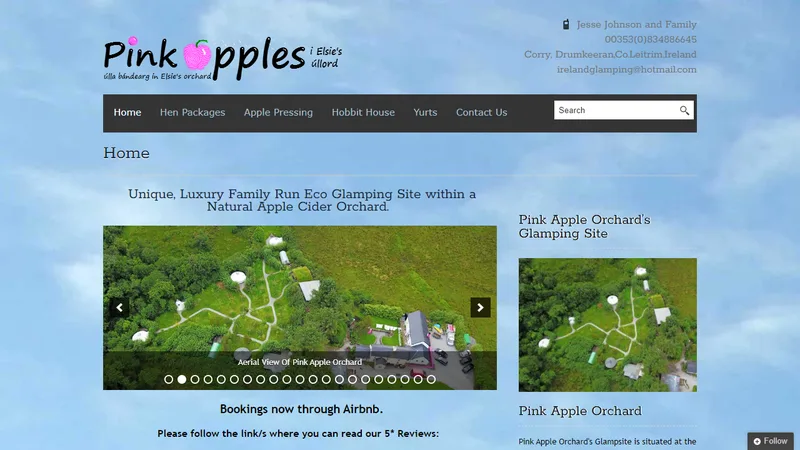
Leitrim
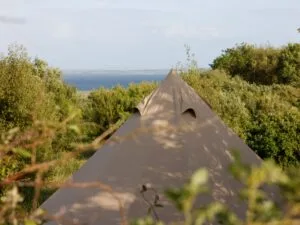
Clare
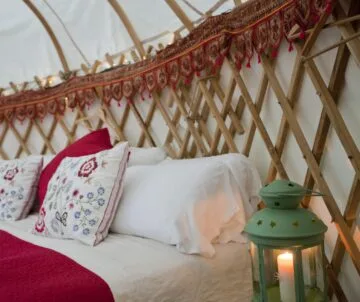
Meath